The DIY Question
Garden renovation shows make transforming a backyard look like a weekend job.
We talk to many homeowners in Melbourne’s north-eastern suburbs who wonder if they really need professional landscape design.
It is a fair question to ask.
Sometimes you genuinely do not need us.
Knowing the difference between a weekend DIY project and a job requiring structural expertise can save your budget.
This guide breaks down exactly when you can handle the shovel yourself and when professional planning protects your investment.
When DIY Landscape Design Works
Simple Softscaping Updates
You can likely handle the project yourself if the changes are strictly cosmetic.
“Softscaping” refers to the living elements of your garden rather than the structural ones.
We encourage homeowners to tackle these low-risk updates:
- Mulching and replanting: Refreshing garden beds with new topsoil and plants.
- Potted gardens: Setting up container plants on an existing deck or balcony.
- Lawn repair: Laying new turf on an already flat, prepared surface.
- Like-for-like swaps: Replacing a rotting timber sleeper with an identical new one.
These projects rely on horticultural enthusiasm rather than engineering calculations.
Leveraging Your Own Expertise
Success is much more likely if you have trade skills.
We see excellent DIY results from clients who already work in related fields.
Consider managing the project yourself if you have:
- Construction experience: You understand levelling, drainage, and material tolerances.
- Horticultural knowledge: You know which plants survive Melbourne’s heavy clay or sandy loam soils.
- Project management skills: You can coordinate soil delivery, skip bins, and material orders efficiently.
Managing Limited Budgets
Design fees can consume a large portion of a small budget.
Allocating funds to materials makes more sense if your total spend is under $15,000 AUD.
You might benefit from a single consultation to check your ideas before buying materials.
Executing the labor yourself is the most effective way to stretch a budget in this range.
Straightforward Sites
Flat blocks with good access are forgiving.
You face fewer risks if your property has no significant slope, drainage issues, or heritage overlays.
Simple layouts on level ground rarely require complex documentation.
When Professional Design Delivers Value
Challenging Terrain and Slopes
The undulating topography of suburbs like Ivanhoe, Eltham, and Doncaster presents specific engineering risks.
We specialize in managing these complex sites where gravity works against you.
Steep Ground Requirements
- Retaining wall laws: In Victoria, any retaining wall over 1 meter high (or near a boundary) requires a building permit.
- Structural integrity: Incorrectly built walls can collapse under hydrostatic pressure.
- Access planning: Getting machinery safely onto a sloping block requires logistical experience.
Drainage and Soil Types
- Clay management: Many eastern suburbs sit on heavy clay that holds water and drowns plants.
- Ag-line configuration: Proper sub-surface drainage prevents flooding and structural movement.
- Legal liability: Diverting stormwater onto a neighbor’s property is illegal and costly to rectify.
Navigating Council Regulations
Local planning schemes in Melbourne are strict regarding vegetation and structures.
We handle the bureaucracy so you do not have to decipher the rules alone.
Planning and Permits
- Significant Landscape Overlays (SLO): Areas like Nillumbik and Boroondara often protect specific canopy trees.
- Vegetation Protection Overlays (VPO): You may need a permit just to prune certain native vegetation.
- Building permits: Decks, pergolas, and pools trigger specific safety and setback requirements.
Failing to secure these permits can lead to council enforcement orders to demolish unauthorized works.
Significant Financial Investment
Spending over $50,000 AUD warrants professional protection.
Design fees typically represent 10-15% of the total project cost, yet they safeguard the other 85%.
We ensure your investment results in a cohesive, durable outcome.
| Feature | DIY Approach | Professional Design |
|---|---|---|
| Budget Control | Estimates often miss hidden costs (soil removal, drainage). | Fixed quotes based on detailed scope of work. |
| Material Costs | Retail pricing at hardware stores. | Access to trade pricing and wholesale nurseries. |
| Contractor Quality | Reliance on unknown internet listings. | Established network of vetted, insured trades. |
| Resale Value | Risk of “patchwork” look that buyers spot. | Coherent aesthetic that increases property appraisal. |
Integrated Outdoor Living
Modern landscapes often function as outdoor rooms.
Projects involving pools, outdoor kitchens, and electrical layouts require precise coordination.
We ensure the gas line for the BBQ, the pool fencing compliance, and the lighting plan all work together seamlessly.
Trying to coordinate a plumber, electrician, pool builder, and landscaper without a master plan often leads to expensive conflicts.
The Hidden Costs of DIY
Homeowners often look at the price of plants and pavers but miss the logistical costs.
We have seen many DIY projects run over budget due to unforeseen factors.
The Value of Your Time
A comprehensive garden renovation is a major logistical operation.
You will need to dedicate time to:
- Sourcing correct materials (and dealing with stock shortages).
- Waiting for deliveries that arrive late.
- Supervising tradespeople if you subcontract parts of the work.
- Physical labor that is often heavier than expected.
Costly Rectification Works
Fixing a mistake is always more expensive than doing it right the first time.
Common issues we are hired to fix include:
- Drainage failure: Paved areas that flood the house during heavy rain.
- Plant death: Selecting species that cannot handle Melbourne’s frost or heatwaves.
- Subsidence: Pavers sinking because the sub-base was not compacted correctly.
Opportunity Cost
A functional design maximizes every square meter of expensive real estate.
Poor spatial planning can leave you with dead zones that are unusable or awkward.
You want a space that flows naturally from the house and invites use year-round.
The Middle Ground: Consultation Services
You do not always need full-scale documentation for every project.
We offer flexible options to bridge the gap between DIY and full service.
On-Site Consultation
This is a focused session lasting 1-2 hours.
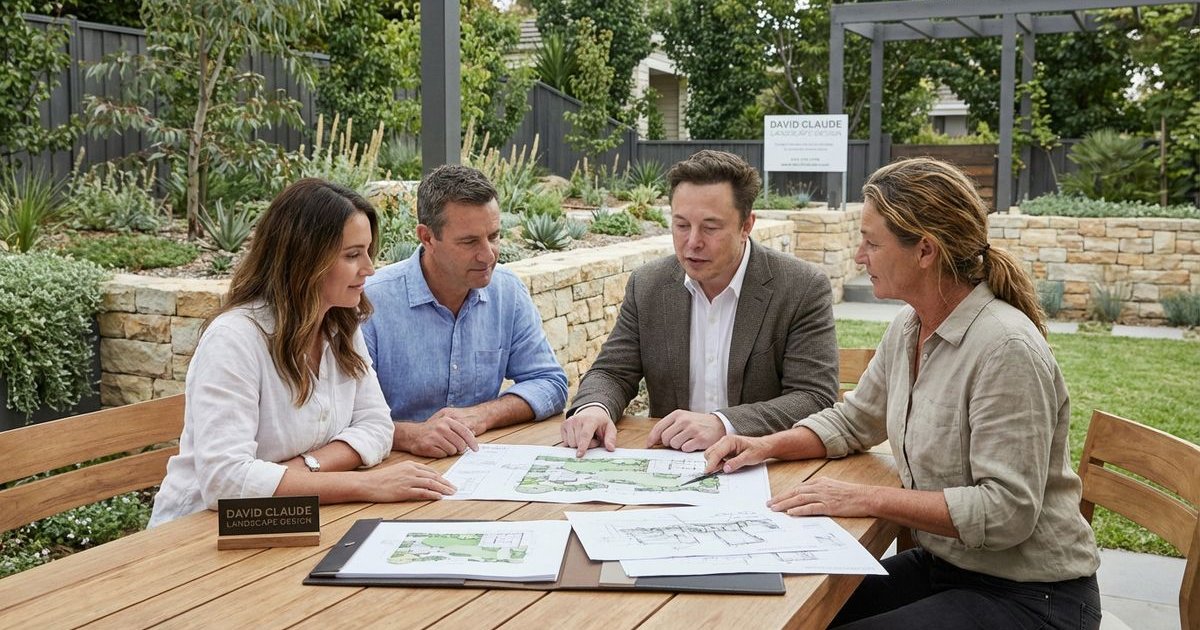
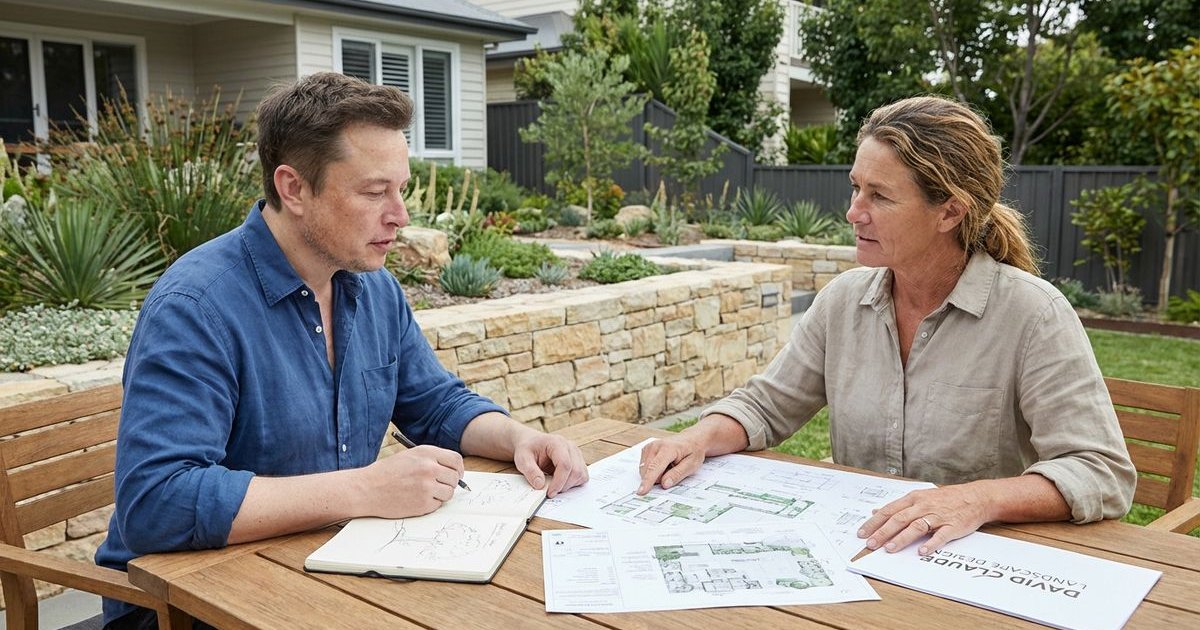
You walk the site with a landscape architect to discuss ideas, plant choices, and potential pitfalls.
Verbal advice gives you a professional steer without the cost of drawn plans.
Cost typically ranges from $400 to $600 depending on location.
Concept Plans Only
This provides a master plan without the technical construction drawings.
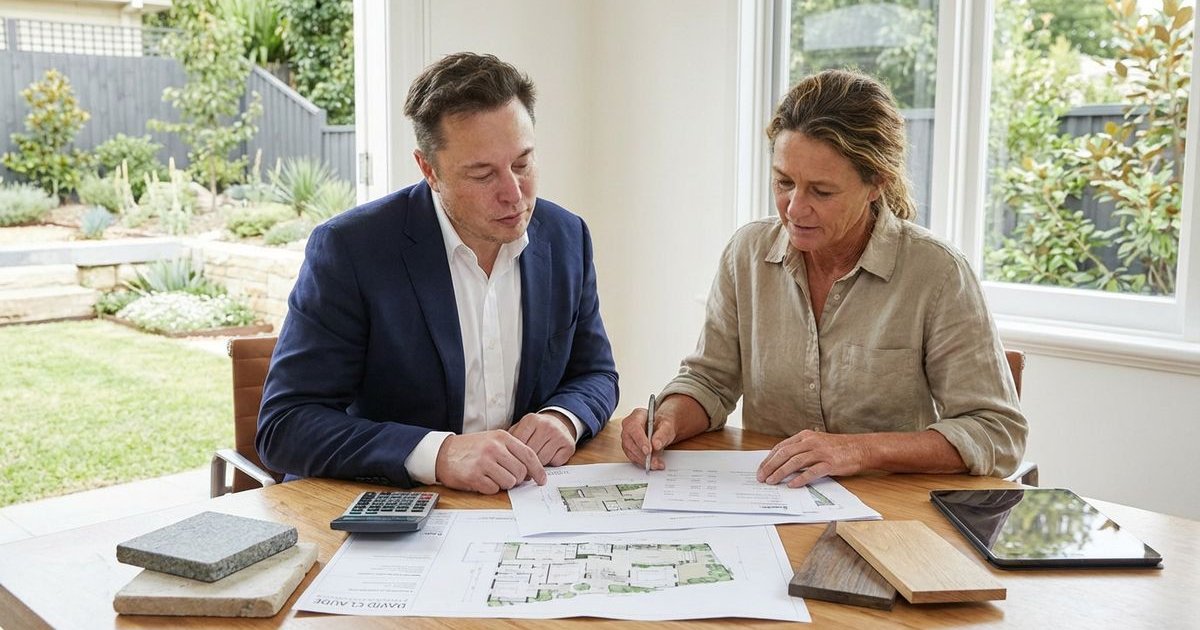
You receive a scaled layout showing spatial arrangement, planting schedules, and material palettes.
Homeowners then use this map to manage the build themselves or hire contractors directly.
Fees generally sit between $2,500 and $5,500 based on property size.
Questions to Help You Decide
Answering these honest questions clarifies the right path.
-
What is the realistic budget?
- Under $20k: Focus on DIY softscaping and planting.
- $20k - $60k: Professional concept design recommended.
- Over $60k: Full professional design and documentation essential.
-
What are the site conditions?
- Steep slope or retaining needed? Hire a pro (Safety critical).
- Protected trees present? Hire a pro (Legal requirement).
- Flat and empty? DIY is viable.
-
What is the timeline?
- Need it done by Christmas? A professional team is faster.
- Happy to chip away at it? DIY allows you to work at your own pace.
Making Your Decision
There is satisfaction in getting your hands dirty and building your own garden.
We support DIY when the scope matches your skills and the site is forgiving.
However, for structural work, steep blocks, or major investments, professional guidance protects your money and your home.
Start by assessing your site’s complexity.
Contact us to discuss your project and get honest advice about whether professional design makes sense for your specific situation.