7 Landscape Design Mistakes Melbourne Homeowners Should Avoid
Learning from Common Mistakes
After 30 years of designing gardens across Melbourne, we have witnessed the same fundamental errors repeated countless times. These aren’t just minor aesthetic gripes; they are expensive oversights that often require thousands of dollars to rectify.
This guide identifies the seven most critical landscape design mistakes we encounter, explaining why they happen and, most importantly, how to prevent them in your own garden.
Mistake 1: Ignoring Drainage Requirements
The Problem
Melbourne’s north-eastern and inner-eastern suburbs are notorious for their heavy Silurian clay soils. Many gardens we visit suffer from significant water issues, including:
- Waterlogged lawn areas that turn into mud baths in winter.
- Plants dying from “wet feet” (root rot) because water cannot escape.
- Paving lifting or cracking due to reactive soil movement.
- Retaining walls failing from built-up hydrostatic pressure behind the wall.
Why It Happens
Drainage is invisible and unglamorous. When budgets tighten, it is often the first item cut because homeowners assume surface runoff will just “flow away.” The reality is that clay soil acts like a bowl, holding water right where you don’t want it.
How to Avoid It
- Test your soil percolation: Dig a hole, fill it with water, and see how long it takes to drain; if it sits for hours, you need intervention.
- Install Ag Pipe: Use agricultural pipe (slotted drainage pipe) encased in scoria and geotextile fabric behind every retaining wall.
- Plan for surface pits: Incorporate inconspicuous drainage pits in paved areas to catch storm runoff.
- Amend the soil: We typically recommend incorporating gypsum and organic compost to break up heavy clay before planting.
The Cost of Getting It Wrong
Retrofitting drainage is destructive and costly. Fixing a drainage issue after the garden is built typically costs 3-5 times more than installing it correctly during the initial construction phase, often involving ripping up expensive paving.
Mistake 2: Choosing Wrong Plants for Conditions
The Problem
Plants that look lush and vibrant at the nursery often fail spectacularly once they hit the ground. We frequently see expensive failures due to:
- Soil incompatibility: Acid-loving plants struggling in alkaline clay.
- Sun exposure mismatch: Shade-loving plants scorching in Melbourne’s harsh 40°C summer afternoons.
- Water needs: Thirsty exotics dying during dry spells or water restrictions.
Why It Happens
Plant selection requires deep local knowledge. Nursery labels are often generic, offering vague advice like “full sun” that applies to mild European summers, not an Australian heatwave.
How to Avoid It
- Map your microclimates: Identify which spots get the baking western sun and which stay damp and cool.
- Prioritize indigenous species: Plants native to your specific suburb (like Correa glabra or Lomandra longifolia) have evolved to survive local clay and weather.
- Check the root systems: Ensure the plants you choose can handle the soil depth available.
Smart Swaps for Melbourne Gardens
| Instead of (Often Fails) | Try This (Thrives in Melbourne) | Why? |
|---|---|---|
| Hydrangeas in full sun | Oakleaf Hydrangea | Tolerates heat and sun much better while still offering beautiful blooms. |
| Azaleas in heavy clay | Correa ‘Dusky Bells’ | Native shrub that loves clay, flowers in winter, and attracts birds. |
| English Box (slow, disease-prone) | Westringia ‘Grey Box’ | Native, drought-tolerant, and forms a perfect hedge without the fuss. |
Mistake 3: Underestimating Mature Plant Size
The Problem
That cute 20cm shrub can quickly become a monster that blocks pathways, overwhelms neighbours, and cracks foundations. We regularly organize the removal of trees that were planted far too close to homes or fences.
Why It Happens
Nursery plants are young, and it is difficult to visualize a sapling as a 15-metre giant. Many homeowners also ignore the “width” on plant labels, focusing only on height.
How to Avoid It
- Believe the label (and add 20%): In good conditions, plants often exceed their stated size.
- Know the regulations: In councils like Boroondara, a tree with a trunk circumference of 110cm (measured at 1.4m high) is classified as a “Canopy Tree” and requires a permit to remove.
- Space for the future: Plant for the size the tree will be in 10 years, filling gaps with short-lived perennials in the meantime.
Insider Tip: Be very careful with Ficus species. Their root systems are incredibly aggressive and can damage plumbing pipes tens of metres away.
Expensive Consequences
Removing a large, established tree in a tight access backyard can cost between $1,000 and $5,000+. If the tree is protected by a Significant Landscape Overlay (SLO) in areas like Nillumbik, you may not be allowed to remove it at all, leaving you with a permanent problem.
Mistake 4: Neglecting the View from Inside
The Problem
Gardens designed solely from the outside often result in missed opportunities. Common issues include:
- Living room windows facing a blank fence or utility area.
- Privacy screens that block your own view of the valley or horizon.
- Beautiful feature trees planted where they can’t be seen from the house.
Why It Happens
Design usually happens while standing in the garden. It is easy to forget that you will spend 90% of your time experiencing the garden from inside the house, looking out.
How to Avoid It
- Stand inside first: Before drawing a single line, stand in your kitchen, lounge, and bedroom to mark the sightlines.
- Create focal points: Position key features like a Japanese Maple or a water feature directly in line with major windows.
- Blur the lines: Use similar flooring materials or colours indoors and outdoors to create a seamless visual flow.
- Light it up: Install garden lighting so your “outdoor room” is visible and beautiful at night, rather than just a black void.
Mistake 5: Prioritising Aesthetics Over Function
The Problem
We often see gardens that are “Instagram ready” but “living nightmares.” Practical failures include:
- Slippery paving: Using honed stone outdoors that becomes an ice rink when wet.
- Impossible maintenance: Hedges that require monthly trimming when you only have time for quarterly work.
- Poor circulation: Paths that don’t lead where people actually walk, causing “desire lines” across the lawn.
Why It Happens
Social media showcases visual impact, not livability. A photo doesn’t tell you that a particular tile has a slip rating of R9 (dangerous when wet) instead of the recommended R11.
How to Avoid It
- Check the Slip Rating: Always specify pavers with a slip resistance rating of R11 for general outdoor areas and R12 for pool surrounds.
- Test the layout: Use marker paint or garden hoses to lay out paths and furniture zones to ensure they feel comfortable before construction.
- Be honest about maintenance: If you hate gardening, avoid formal hedges and deciduous trees that drop leaves into your pool.
Mistake 6: Piecemeal Development Without Master Plan
The Problem
Gardens developed “one corner at a time” without an overarching vision usually end up disjointed. The symptoms are:
- Disconnected zones that don’t flow together.
- Clashing materials (e.g., three different types of brick or timber).
- Inefficient use of space, often trapping usable land behind sheds or beds.
- Higher total costs due to lack of economies of scale.
Why It Happens
Budget constraints often force projects to be staged. Without a master plan, each stage is designed in isolation, leading to a “Frankenstein” garden.
How to Avoid It
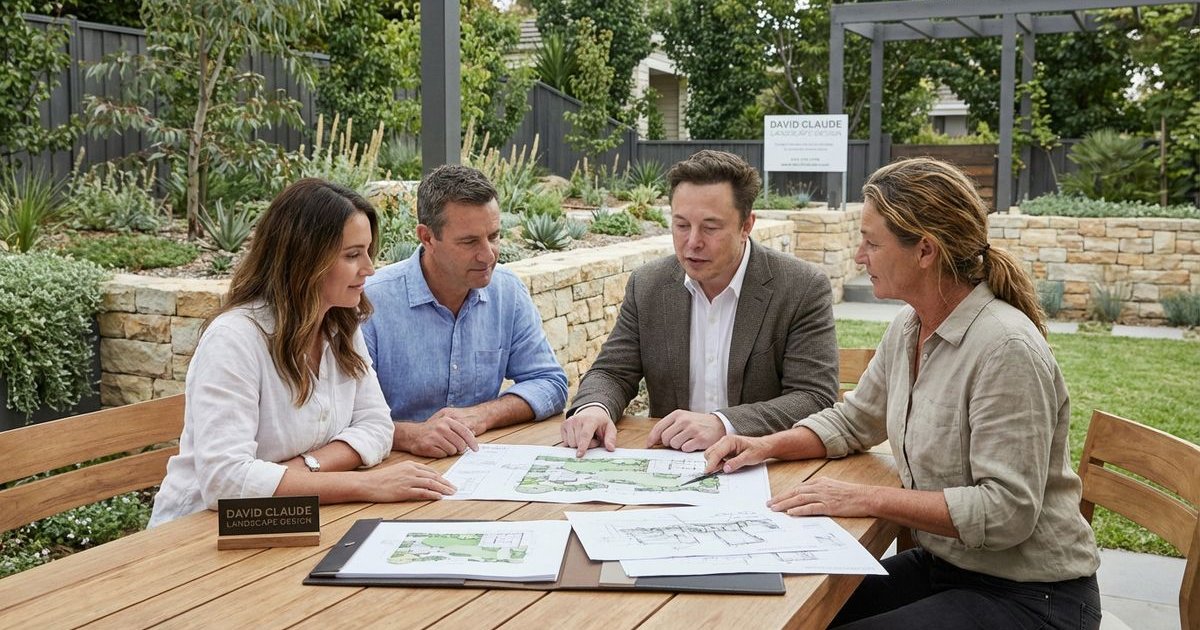
- Invest in a Master Plan: A comprehensive design typically costs between $3,000 and $8,000, but it serves as a roadmap for the entire project.
- Stage intelligently: Build the infrastructure (drainage, retaining walls, hardscaping) first, then add planting and lighting in later stages.
- Stick to a palette: distinct materials should be limited to three or four across the entire property to ensure cohesion.
The Value of Master Planning
A good plan saves tens of thousands by avoiding redundant work. We have seen homeowners build a retaining wall in Stage 1, only to have to tear it down in Stage 2 to get machinery access to the back fence.
Mistake 7: Underestimating True Costs
The Problem
Projects frequently stall or compromise on quality because the budget runs out halfway through. Common financial shocks include:
- Site costs: Unexpected rock excavation or soil removal fees.
- Permits: Council fees and arborist reports.
- Finishing touches: Lighting, irrigation, and mulching are often forgotten in initial rough guesses.
Why It Happens
Early estimates often focus only on the “pretty” things like plants and pavers. In reality, up to 40% of a landscape budget can go into “invisible” works like demolition, earthworks, and concrete bases.
How to Avoid It
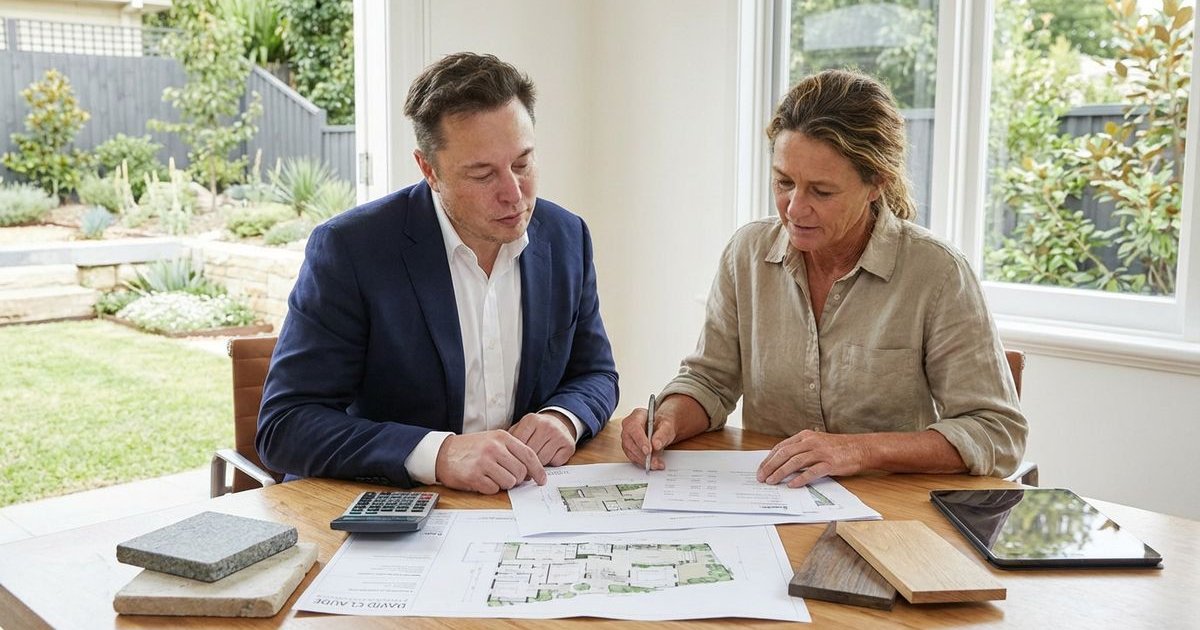
- Get detailed quotes: Ensure your quotes itemize everything, including waste removal and GST.
- Buffer for slopes: If you live on a sloping block in the north-east, add an extra 20% contingency for excavation complexities.
- Price the full scope: A realistic budget for a full landscape renovation in Melbourne often starts at $1,000 per square metre for hardscaped areas.
Better Approaches for Tight Budgets
If the numbers are high, don’t cut quality—cut scope.
- Do less, but do it well: It is better to have a beautifully finished courtyard than a half-finished acre.
- Focus on the “bones”: Spend your money on hardscaping and trees; you can add smaller plants and pots later.
- Use young plants: Installing “tube stock” or small pots is significantly cheaper than buying advanced trees, provided you have patience.
Summary: Preventing Expensive Mistakes
The common thread through all these mistakes is a lack of foresight. Professional landscape design isn’t just about picking pretty flowers; it’s about engineering a space that functions perfectly 365 days a year.
If you are investing significantly in your property, allocating 8-15% of your construction budget to professional design fees is the best insurance policy you can buy. It protects you from drainage disasters, plant failures, and costly rework.
Contact us to discuss your project and ensure your garden investment delivers lasting results.