The Invisible Foundation of Garden Health
Good drainage is the invisible foundation of every healthy garden. Without proper water management, even the most beautifully designed landscape will struggle—waterlogged plants die, paving lifts, and structures deteriorate. At David Claude Landscape Design, we integrate comprehensive drainage solutions into every project, ensuring your garden thrives in all weather conditions.
Our experience across Melbourne’s diverse conditions—from the clay soils of the eastern suburbs to the sandy areas near the bay—means we understand the specific drainage challenges different sites present and the solutions that work.
Understanding Drainage Requirements
Soil Assessment
Different soil types drain very differently:
Clay Soils
- Slow drainage requiring active solutions
- Common across much of Melbourne
- Water pools and remains for extended periods
- Requires comprehensive drainage design
Sandy Soils
- Fast drainage, sometimes too fast
- May require water retention strategies
- Less drainage infrastructure needed
- Different challenges than clay
Mixed Soils
- Variable conditions across site
- Requires zone-by-zone assessment
- May need different solutions in different areas
Site Analysis
Beyond soil, we assess:
- Natural fall and water flow patterns
- Location of downpipes and stormwater connections
- Problem areas with existing water pooling
- Neighbouring property drainage impacts
- Council stormwater requirements
Drainage Solutions
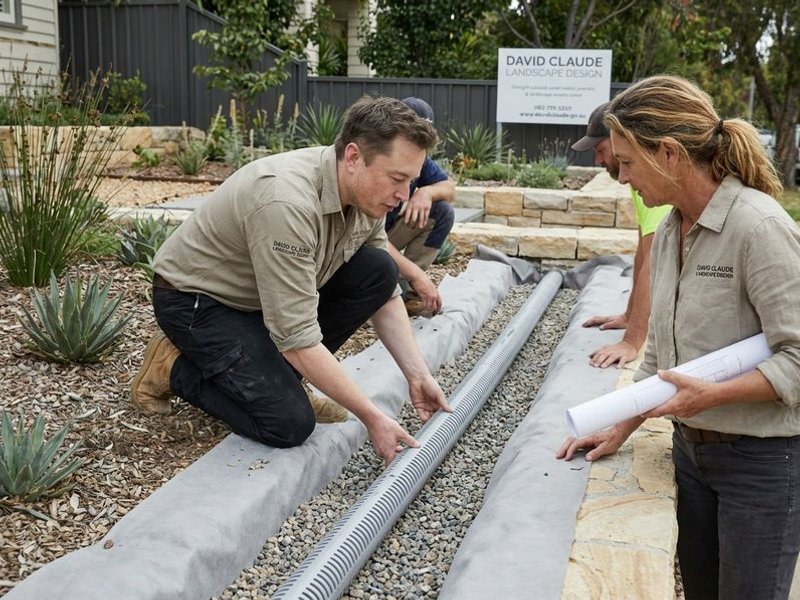
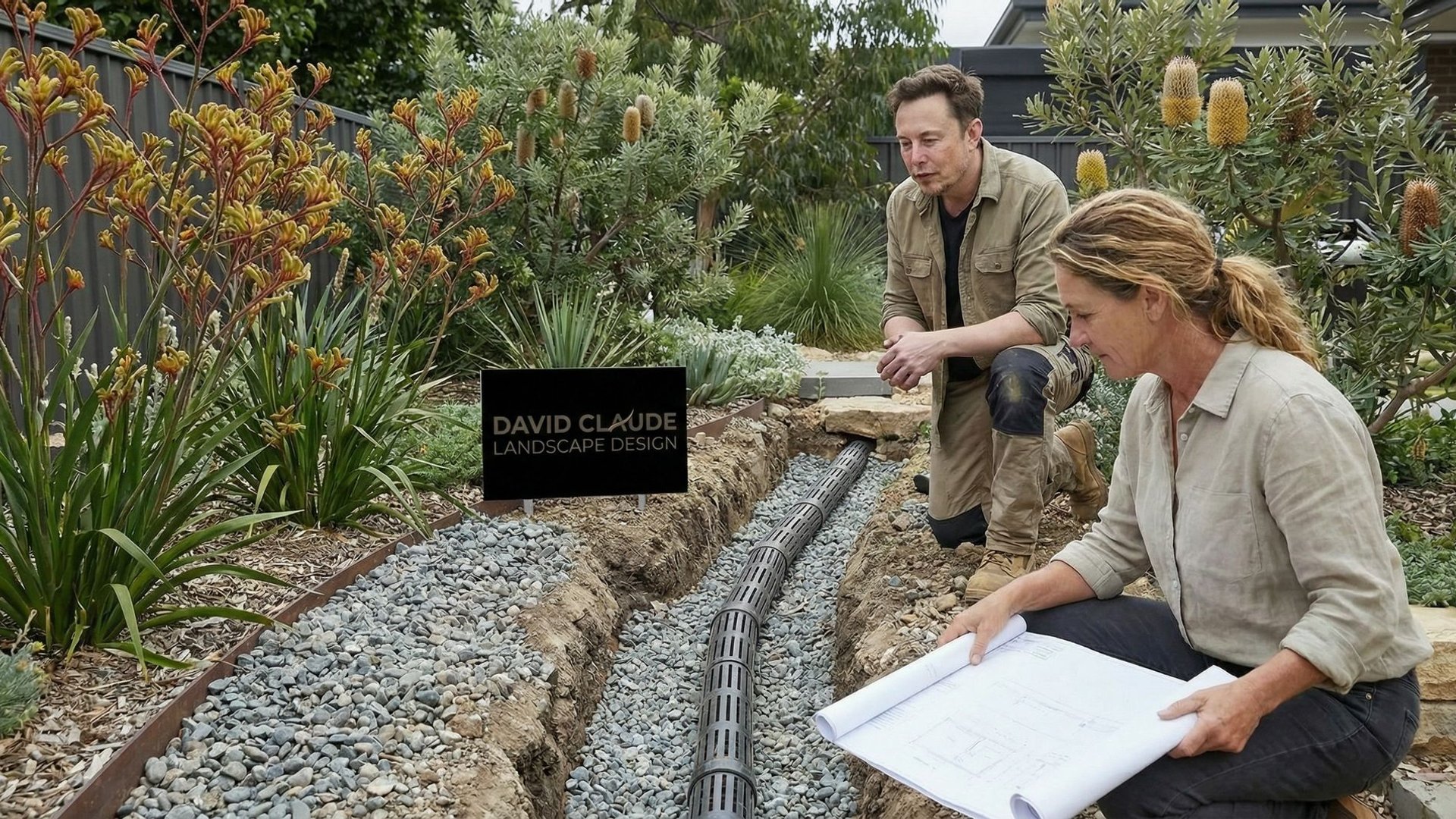
Agricultural Drains (Ag Drains)
The workhorse of garden drainage:
How They Work
- Slotted pipe collects water through perforations
- Gravel surround allows water to reach pipe
- Filter fabric prevents soil entering system
- Water carried to discharge point
Installation
- Trenches dug along drainage lines
- Gravel bed creates drainage layer
- Pipe laid with correct fall
- Covered with gravel and filter fabric
- Topsoil and turf restored above
Applications
- Behind retaining walls
- Around building foundations
- Through lawn areas with poor drainage
- Below garden beds in clay soil
French Drains
Surface-collecting drainage channels:
Characteristics
- Gravel-filled trench visible at surface
- Collects surface water directly
- May include pipe at base
- Can be decorative feature
Applications
- Along fence lines
- At base of slopes
- Around paved areas
- As garden bed edging
Surface Drains
Collecting water from hard surfaces:
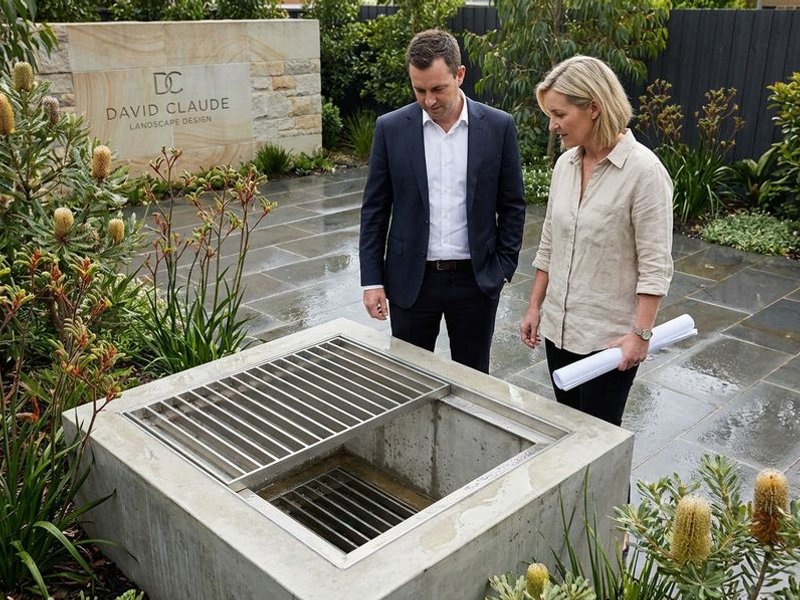
Drainage Pits
- Grated pits collecting surface water
- Connected to stormwater system
- Various sizes for different flows
- Placed at low points in paving
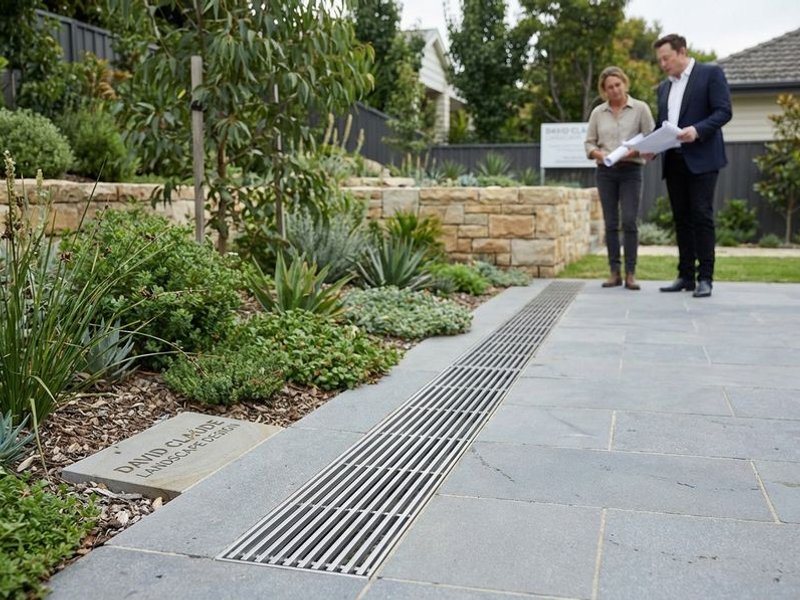
Channel Drains
- Linear grates along paving edges
- Intercepts sheet flow across surfaces
- Neat, unobtrusive appearance
- Essential for larger paved areas
Strip Drains
- Narrow slot drains for minimal visibility
- Modern aesthetic for contemporary design
- Lower flow capacity than channel drains
- Best for moderate water volumes
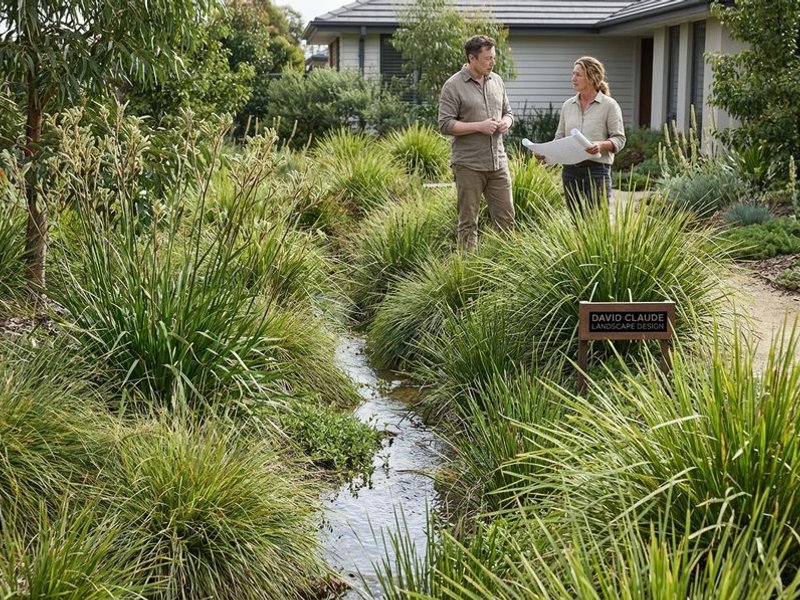
Swales
Natural-style drainage channels:
Design Features
- Shaped landscape depression
- Planted with water-tolerant species
- Slows and filters water flow
- Creates habitat and visual interest
Applications
- Sustainable garden design
- Bushland and naturalistic gardens
- Where softer approach desired
- Stormwater retention requirements
Stormwater Management
Compliance Requirements
Melbourne councils require:
- On-site stormwater detention for some developments
- Connection to legal point of discharge
- No increased runoff to neighbouring properties
- Appropriate treatment before discharge
Retention Systems
For sites requiring water management:
- Underground tanks storing peak flows
- Controlled release to stormwater system
- Can provide garden irrigation supply
- Reduces mains water consumption
Rain Gardens
Combining drainage with filtration:
- Planted basins treating stormwater
- Remove pollutants before discharge
- Create attractive garden features
- Meet water-sensitive urban design requirements
Drainage for Specific Situations
Retaining Wall Drainage
Critical for wall longevity:
- Ag drain behind wall base
- Gravel drainage blanket
- Filter fabric preventing soil migration
- Weep holes allowing water escape
Lawn Drainage
For persistently wet lawns:
- Grid of ag drains at appropriate spacing
- Connection to discharge point
- Minimal disruption during installation
- Lasting improvement to lawn health
Garden Bed Drainage
Preventing waterlogging in planted areas:
- Raised beds in severe cases
- Drainage cells under beds
- Soil amendment for improved structure
- Appropriate plant selection for conditions
The Design Process
Assessment
- Site inspection during and after rain where possible
- Soil testing to understand drainage characteristics
- Survey of levels and existing infrastructure
- Review of council requirements
Design
- Drainage plan showing all elements
- Pipe sizes calculated for expected flows
- Connection points to stormwater identified
- Integration with landscape design
Implementation
- Excavation of drainage trenches
- Installation of pipes and pits
- Connection to stormwater system
- Restoration of surfaces above
Investment in Drainage
Proper drainage represents essential infrastructure:
- Protects much larger investments in garden and structures
- Prevents ongoing problems and expensive remediation
- Creates conditions for plants to thrive
- Adds value through improved usability
Don’t let water problems undermine your garden. Contact us to assess your site’s drainage requirements and implement solutions that protect your outdoor investment.