Where Engineering Meets Artistry
Retaining walls serve a critical structural function—holding back earth to create level changes across your property. But at David Claude Landscape Design, we see every retaining wall as an opportunity for design excellence. Our walls are engineered for longevity while contributing aesthetic value to your garden.
With extensive experience across Melbourne’s hilly suburbs, we’ve constructed retaining walls of every type and scale. From modest timber walls managing gentle slopes to substantial engineered structures holding back significant earth masses, our expertise ensures solutions appropriate to your specific conditions.
Understanding Retaining Wall Requirements
Structural Considerations
Every retaining wall design begins with understanding the forces involved:
- Height of Retained Earth: The primary factor determining structural requirements
- Soil Type: Different soils exert different pressures
- Surcharge Loads: Additional loads from driveways, structures, or slopes above
- Water Pressure: Hydrostatic pressure from groundwater behind walls
Regulatory Requirements
Walls over certain heights require building permits and engineering certification:
- Walls over 1 metre typically require permits
- Engineering design ensures safety and compliance
- Council inspections verify proper construction
- Certification protects you and future owners
We navigate these requirements regularly and ensure all necessary approvals are obtained.
Retaining Wall Options
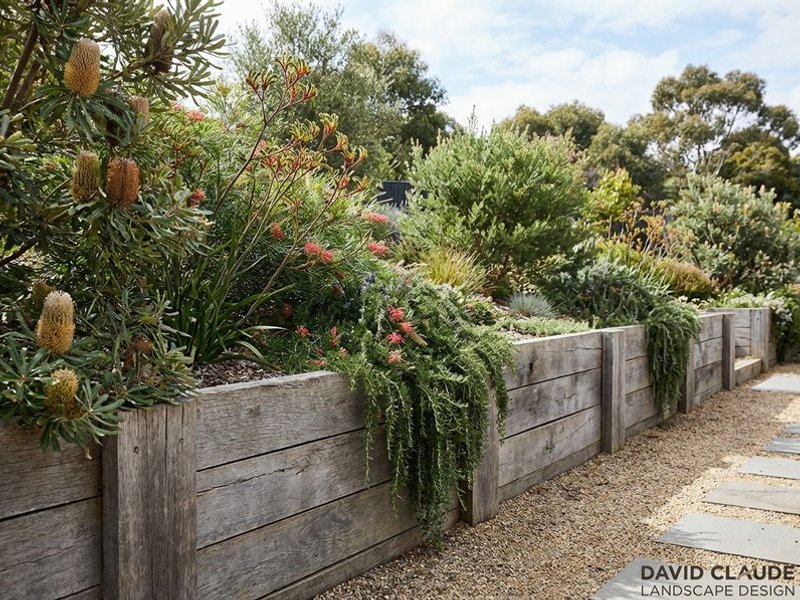
Timber Sleeper Walls
The versatile classic for Melbourne gardens:
Hardwood Sleepers
- New or recycled railway sleepers available
- Rich, natural appearance that weathers beautifully
- Cost-effective for walls to approximately 1.2 metres
- Can be curved to follow natural contours
Construction Method
- Posts set in concrete at regular intervals
- Sleepers stacked horizontally behind posts
- Agricultural drainage behind wall
- Typically no engineering required under 1 metre
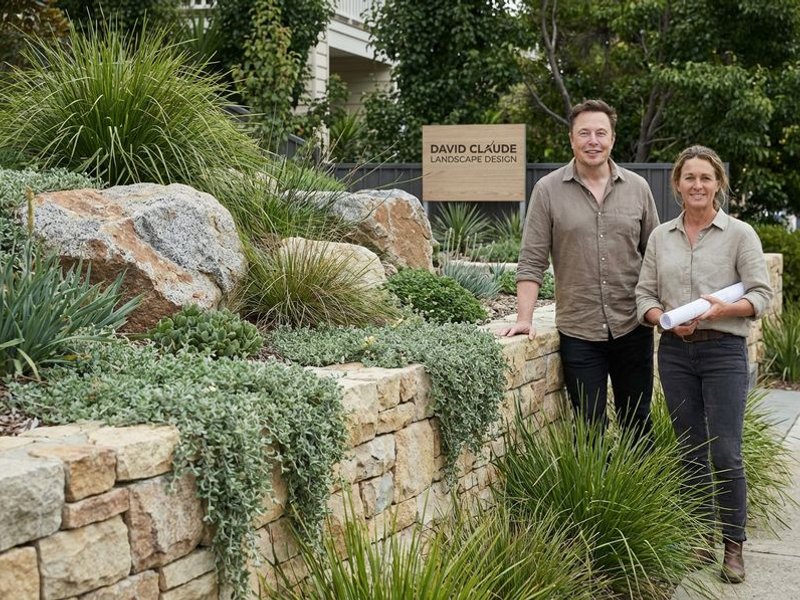
Natural Rock Walls
Perfect for bushland settings and naturalistic gardens:
Boulder Walls
- Large rocks stacked to create retained faces
- Irregular profile creates natural character
- Excellent habitat for small creatures and plants
- Suits informal, naturalistic design approaches
Dry Stone Walls
- Traditional construction without mortar
- Skilled craft requiring experienced builders
- Beautiful texture and heritage character
- Limited to lower heights and gentle slopes
Stone Faced Walls
- Concrete block core with stone facing
- Achieves natural stone appearance at reduced cost
- Suitable for taller walls requiring engineering
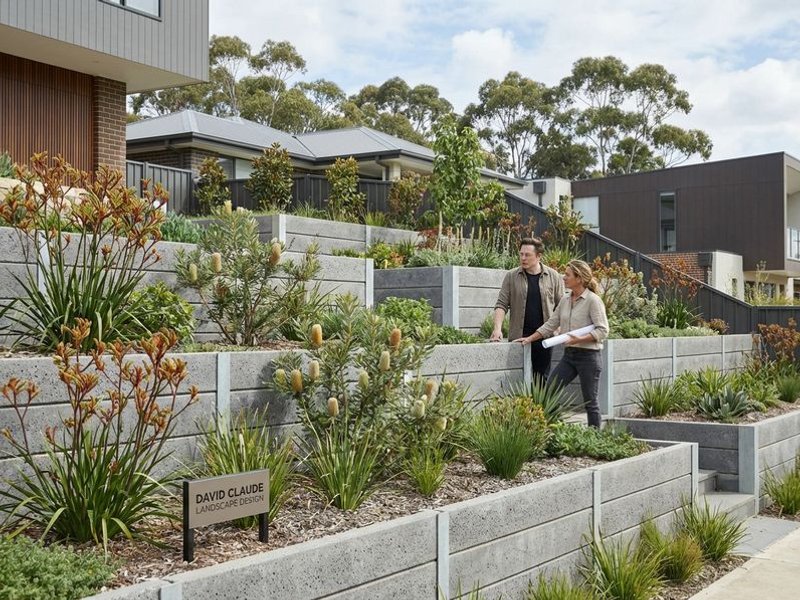
Concrete Sleeper Systems
Durable and economical for larger walls:
Standard Concrete Sleepers
- Smooth grey finish in various sizes
- Steel posts with sleepers slotted between
- Cost-effective for walls to 2+ metres
- Can be rendered or clad for different aesthetics
Decorative Sleepers
- Textured finishes mimicking timber or stone
- Range of colours available
- Same structural system as standard sleepers
- Improved appearance without additional finishing
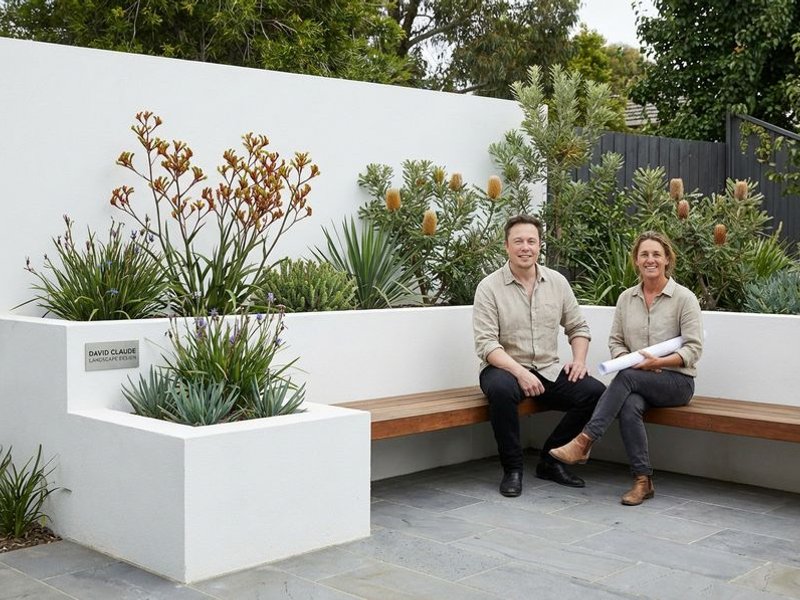
Rendered Masonry Walls
Contemporary finish for modern architecture:
Block Construction
- Concrete block core provides structural strength
- Rendered finish creates smooth, clean surfaces
- Can be painted any colour to match home
- Allows for integrated features like seating and planters
Design Possibilities
- Curved walls and organic shapes possible
- Recessed lighting integration
- Planter boxes and bench seating built-in
- Caps in stone or concrete for finished edge
Drainage: Critical for Wall Longevity
Every retaining wall requires proper drainage:
- Agricultural Drain: Perforated pipe behind wall base
- Drainage Aggregate: Gravel layer for water collection
- Filter Fabric: Prevents soil migration into drainage
- Weep Holes: Allows water to escape through wall face
Without proper drainage, water pressure builds behind walls, leading to failure regardless of structural adequacy.
The Construction Process
Quality retaining wall construction follows methodical steps:
- Excavation: Creating space for wall and footing
- Footing Preparation: Concrete base where required
- Drainage Installation: Complete drainage system
- Wall Construction: Building the retained face
- Backfilling: Careful compaction of fill material
- Finishing: Caps, rendering, or final treatments
Integrated Design
Retaining walls can incorporate additional features:
- Garden Beds: Planting pockets within wall construction
- Seating: Built-in benches at convenient heights
- Steps: Integrated access through level changes
- Lighting: Recessed fixtures for evening ambiance
- Water Features: Spouts or cascades built into walls
Investment Considerations
Retaining wall costs vary significantly based on:
- Height and length of wall required
- Material selection and finish quality
- Engineering and permit requirements
- Site access and working conditions
- Drainage complexity
We provide detailed quotations after site assessment, ensuring you understand all costs before proceeding.
Contact us to discuss your retaining wall requirements and discover how we can engineer solutions that serve both function and beauty.